

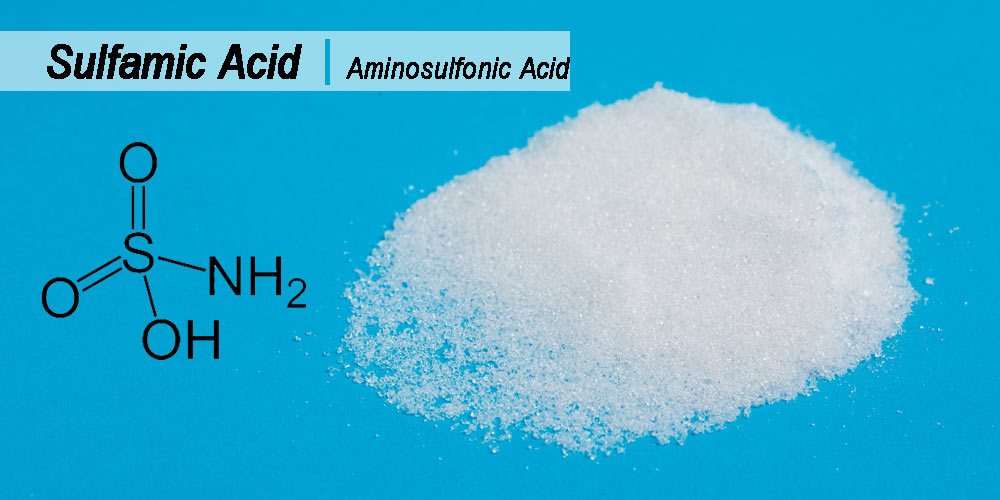
Sulfamic Acid—also known as amidosulfonic acid, aminosulfonic acid, or sulfamidic acid—is a stable, white, crystalline substance that is non-volatile and odorless; it serves as an intermediate between sulfuric acid and sulfamide or urea. Thanks to its highly efficient and stable properties, sulfamic acid has become the preferred cleaning agent across various industries.
In industrial cleaning and water treatment applications, sulfamic acid cleaning solutions are widely utilized for the efficient removal of scale and rust, as well as for controlling mineral deposits. However, improper formulation can lead to diminished performance, equipment damage, and safety hazards.
This comprehensive guide covers everything you need to know about formulating sulfamic acid cleaning solutions, including recommended concentrations, step-by-step preparation methods, application techniques, and more.
Why Is Sulfamic Acid Used for Cleaning?
Sulfamic acid (NH₂SO₃H) is a solid, non-volatile acid commonly used as a descaling and cleaning agent.
It is particularly effective in removing:
- Limescale (calcium carbonate)
- Rust and iron deposits
- Mineral buildup
- Soap scum
Key Advantages of Sulfamic Acid
- Stable solid form: Easy to store and transport
- Low volatility: Safer than hydrochloric acid (HCl)
- Controlled acidity: Reduces risk of over-corrosion
- Non-fuming: Suitable for indoor use
- Compatible with inhibitors: Can be formulated for metal protection
Because of these properties, sulfamic acid is widely used in industries such as water treatment, food processing, textiles, and facility maintenance.
Recommended Concentration of Aqueous Sulfamic Acid Solution
The cleaning effectiveness of an amidosulfonic acid cleaning solution depends largely on its concentration. Using the correct concentration ensures efficient cleaning without damaging the surface.
Typical Concentration Ranges
|
Application |
Recommended Concentration |
| Light descaling (household) | 2% – 5% |
| General industrial cleaning | 5% – 10% |
| Heavy scale removal | 10% – 15% |
| Specialized industrial use | Up to 20% (with caution) |
Tip: Higher concentration does not always mean better cleaning. Over-concentration may cause corrosion or material damage.
Step-by-Step Guide to Preparing Sulfamic Acid Solutions
Calculate Required Quantity
Determine how much solution you need and calculate the amount of sulfamic acid accordingly.
- Sulfamic acid required = 10 kg
- Water required = 90 L
Choose the Right Equipment
Use appropriate containers and tools:
- Mixing tank (plastic, HDPE, or acid-resistant material)
- Stirring device (manual or mechanical)
- Measuring scale
- Personal protective equipment (PPE)
Add Water First
Always start by adding water into the mixing container.
Never add water into acid directly. Always add acid to water to prevent splashing or excessive heat generation.
Gradually Add Sulfamic Acid
- Slowly add sulfamic acid powder into the water
- Stir continuously to ensure proper dissolution
- Avoid dumping large quantities at once
Sulfamic acid dissolves relatively easily, but gradual addition helps prevent clumping and ensures uniform mixing.
Mix Until Fully Dissolved
Continue stirring until:
- The solution becomes clear
- No solid particles remain at the bottom
This typically takes a few minutes depending on temperature and agitation.
Add Optional Additives
Depending on your application, you may include:
- Corrosion inhibitors (to protect metals)
- Surfactants (to improve wetting and penetration)
- Antifoaming agents (for industrial systems)
Test the Solution
Before large-scale use:
- Check pH level
- Perform a small test on the target surface
- Adjust concentration if necessary

Factors Affecting the Cleaning Effectiveness of Sulfamic Acid
Temperature
- Higher temperatures improve cleaning efficiency
- Typical range: 30°C – 60°C
- Avoid excessive heat to prevent material damage
Note : At temperatures exceeding 60°C, sulfamic acid solutions undergo hydrolysis to produce significant quantities of ammonium bisulfate. Therefore, the cleaning temperature must not exceed 60°C; this prevents corrosion caused by the sulfuric acid generated during hydrolysis and also avoids the formation of calcium sulfate precipitates.
Contact Time
- Longer contact time increases effectiveness
- Do not exceed recommended exposure to avoid corrosion
Agitation
- Improves scale removal
- Especially important in industrial systems
Water Quality
- Hard water may reduce efficiency
- Consider using softened or deionized water
Application of Sulfamic Acid
Industrial Equipment Descaling
Used for boilers, heat exchangers, and pipelines.
- 1 Add corrosion inhibitors
- 2 Circulate solution for uniform cleaning
- 3 Rinse thoroughly after use
Household Cleaning Products
Common in toilet bowl cleaners and descalers.
- 1 Combine with surfactants for better performance
- 2 Avoid contact with sensitive surfaces like marble
Food Processing Equipment Cleaning
Sulfamic acid is often used for descaling in food-grade environments.
- 1 Use food-grade additives only
- 2 Ensure thorough rinsing to remove residues
Textile and Dyeing Industry
Used for equipment cleaning and pH adjustment.
- 1 Maintain controlled concentration
- 2 Monitor temperature and exposure time

First Aid for Accidental Exposure
In case of accidental exposure to sulfamic acid crystals or solutions, follow these first aid steps immediately:
Skin Contact
Remove contaminated clothing immediately. Rinse the affected area thoroughly with clean water and mild soap for at least 15–20 minutes. If irritation, redness, or burns occur, seek medical attention.
Eye Contact
Flush the eyes with plenty of clean water for at least 15–20 minutes, removing contact lenses if applicable. Seek immediate medical attention, as sulfamic acid can cause permanent eye damage.
Inhalation
Move the affected person to fresh air. If breathing is difficult, administer oxygen (if trained to do so). Seek medical attention if symptoms (e.g., coughing, shortness of breath) persist.
Ingestion
Do not induce vomiting. Rinse the mouth with water if the person is conscious. Seek immediate medical attention and provide the product's safety data sheet (SDS) if available.
Get Reliable Sulfamic Acid Supply from XINGFEI
- ✓ High-purity sulfamic acid
- ✓ Stable global supply
- ✓ Competitive pricing for bulk orders
- ✓ Professional technical support
- Latest price list
- Free samples
- Customized solutions for your market
Post time: Apr-28-2026